
Deep in new-energy and advanced-material property testing, we provide complete test solutions for solid-state batteries, lithium separators, lithium batteries, display materials, composites and research institutes — from pain-point diagnosis to delivery.
Click through and see where your industry sits.
Solid-state batteries are extremely sensitive to densification and interface bonding. On one forming–lamination–characterization platform, every process variable stays in traceable data.
QM900A-U: hot-press forming of electrolyte powder, thickness and density precisely controlled
QM940AS: precision multi-layer lamination of electrodes/electrolyte, uniform interface bonding
Universal & Impact Testers: mechanical-property and interface-peel validation
QM910 + flame retardancy: thermal safety and thermal-runaway assessment
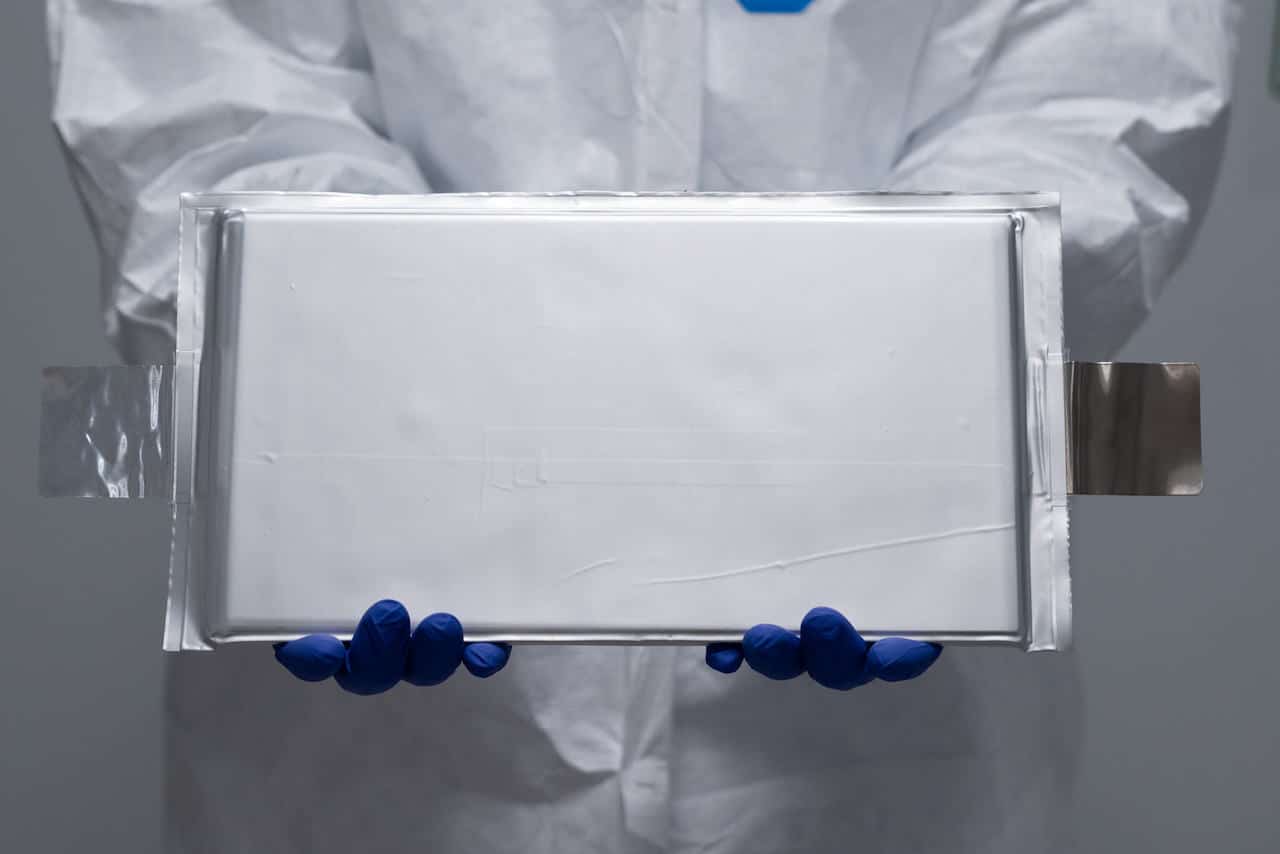
Separator thickness, puncture, tensile and thermal shrinkage directly determine battery safety. The QM900A-U + QM940AS locked pair completes forming and lamination on the same basis
QM900A-U + QM940AS: precision hot-press forming of separators and ceramic-coating lamination
QM910: thermal-shrinkage and thermal-safety assessment
QM100S: universal UTM + film grips — tensile / puncture / tear
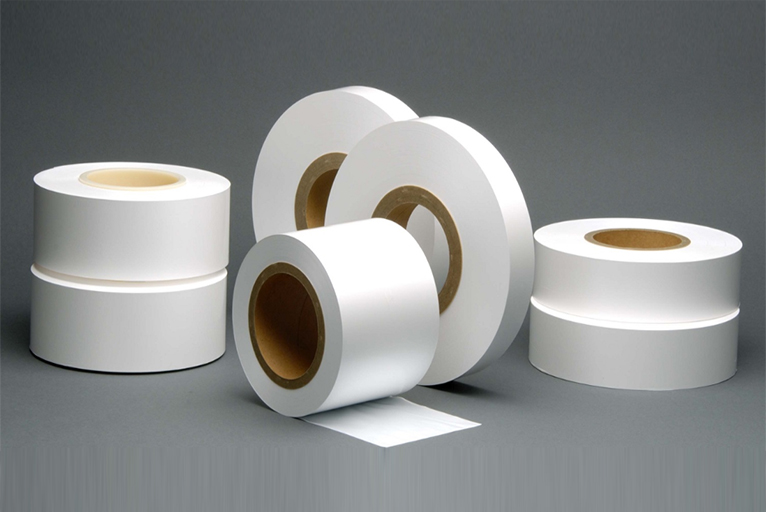
Electrode preparation, separator lamination, packaging safety — covering key test nodes in lithium-battery R&D and production QC; the accuracy baseline stays unchanged from lab to line.
QM900A-U: electrode hot-press forming and calendering
QM940AS: separator / electrolyte lamination
QM100SH: peel tester + QM500V/H vertical burning
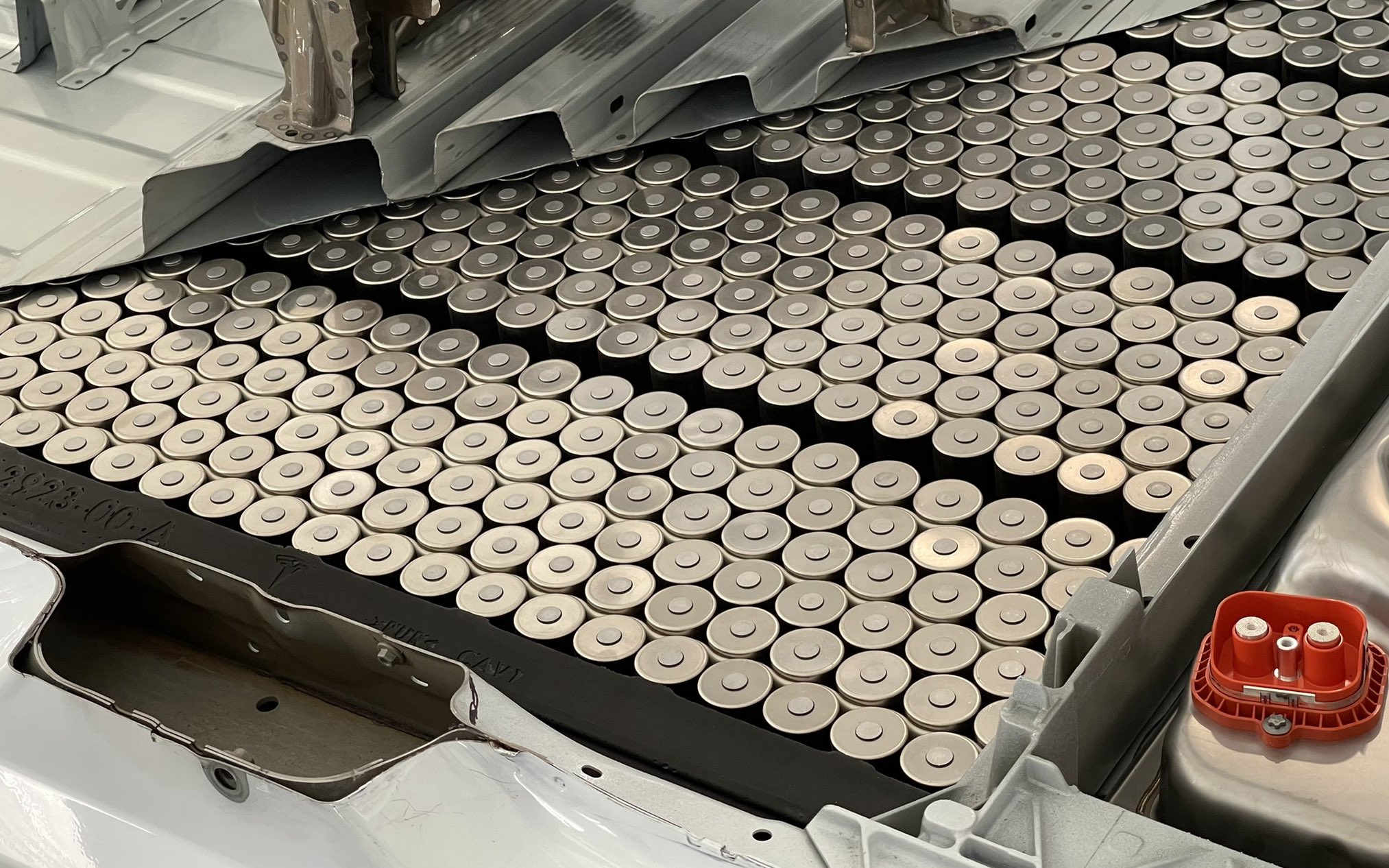
Flexible substrates, optical films, lamination layers — one-stop testing of mechanical and thermal properties of films and polymers, covering the full display-material test chain.
QM100S: universal UTM + film / bending grips
QM910: thermal-shrinkage and thermomechanical analysis
QM900A-U: optical-film hot-press forming and lamination
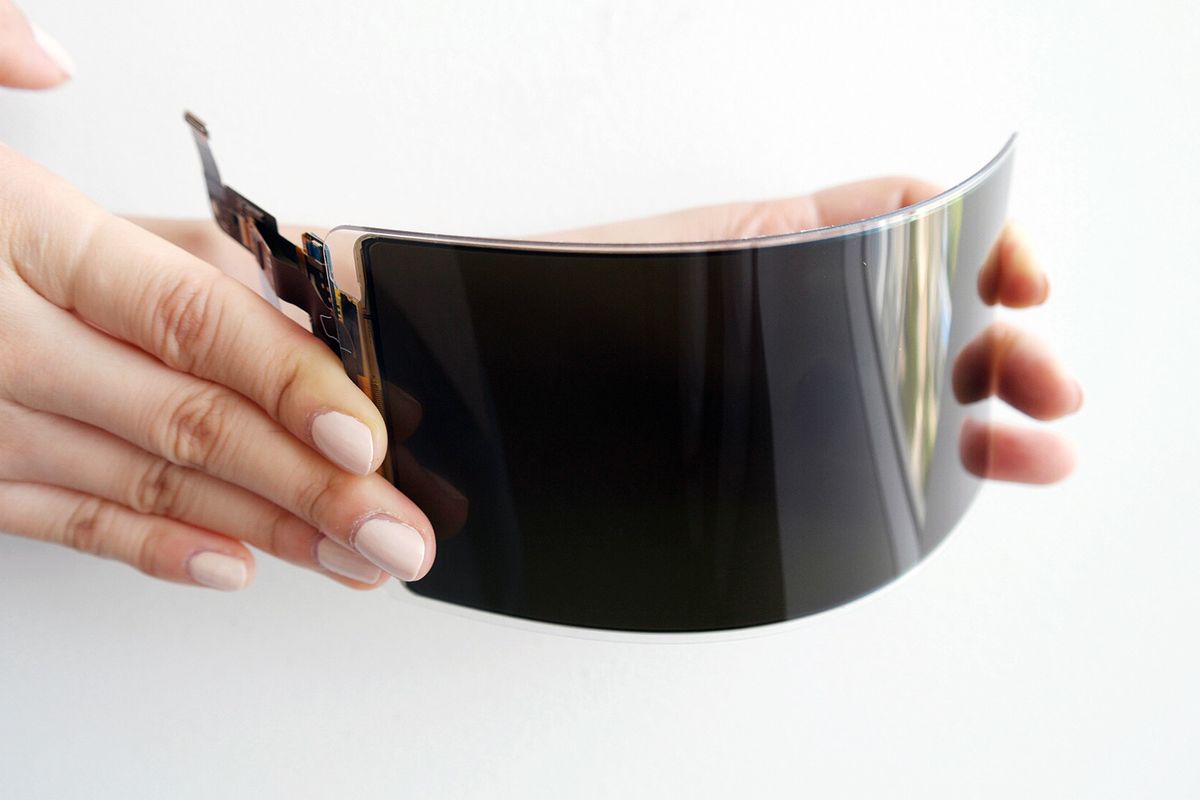
Lamination and curing complete on the same accuracy baseline; mechanical validation data compares directly with design values — no cross-supplier calibration needed, accelerating composite R&D iteration.
QM900A-U: composite hot-press forming and curing
QM100TC: universal tester + composite grips
QM750A: impact tester (IZOD / Charpy)
Directly solving the core pain points of hard-to-reproduce papers and non-traceable data, turning equipment capability into an academic research closed loop that supports high-level paper reproduction.
QM100S universal UTM: one machine covering multiple mechanical methods
QM Grip universal grips + QM100E extensometer: fast changeover, stable accuracy
QM130A cutter: standard specimens made in-house, reducing dependence on external sample sending

Solid-state batteries are extremely sensitive to densification and interface bonding. On an integrated forming–lamination–characterization platform, every process variable becomes a traceable data asset.
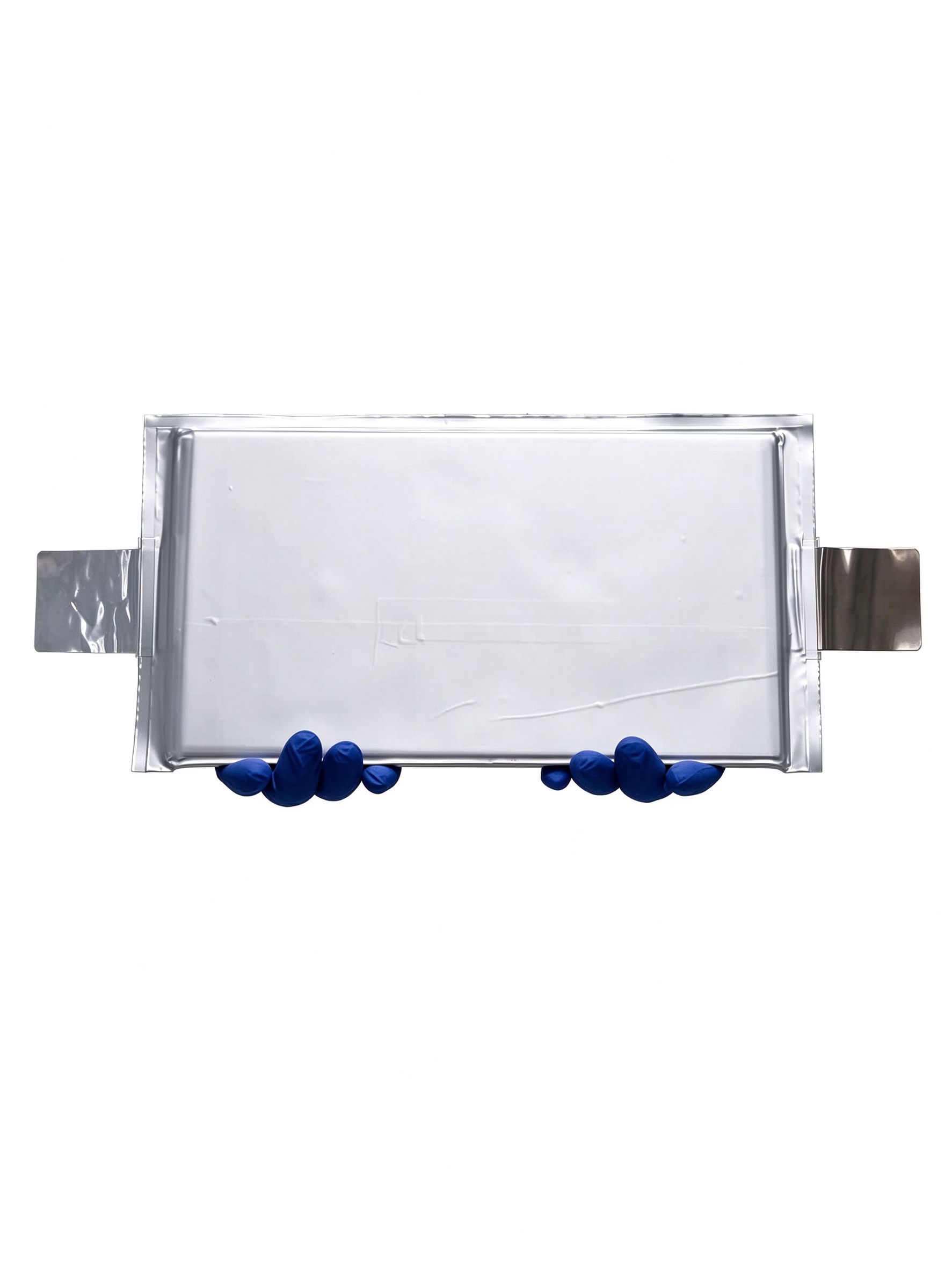
Electrolyte pellet forming consistency is poor; inter-pellet thickness fluctuation is hard to control
Electrode–electrolyte interface bonding is insufficient; impedance keeps rising after cycling
As stack layers increase, overall densification uniformity is hard to guarantee
The hot-press process window is narrow; temperature/pressure parameters lack quantitative standards
Densification and thickness-uniformity testing
Interface peel strength and AC impedance testing
ASTM D3330 peel strength / ISO 11357 DSC thermal analysis
UL 9540A thermal-runaway propagation correlation verification
QM900A-U: hot-press forming of electrolyte powder, thickness and density precisely controlled
QM940AS: precision multi-layer lamination of electrodes/electrolyte, uniform interface bonding
Universal & Impact Testers: mechanical-property and interface-peel validation
QM910 + flame retardancy: thermal safety and thermal-runaway assessment
Composite process and mechanical validation work in a closed loop; parameters feed directly back to the line
Interface bonding and impedance judged from the same batch and source; cycle decay is quantifiable
Full-process data traceable, meeting ASTM / ISO audit requirements
One set of equipment covers powder forming, multi-layer lamination and stacking
3Lower cost
QM900A-U + QM940AS + Universal & Impact
4Challenge
Forming / Lamination / Mechanics / Thermal Safety
100%
Process Parameters Traceable
200+°C
Hot-Press Process Window
Separator thickness, puncture, tensile and thermal shrinkage directly determine battery safety. The QM900A-U + QM940AS locked pair completes forming and lamination on the same basis.
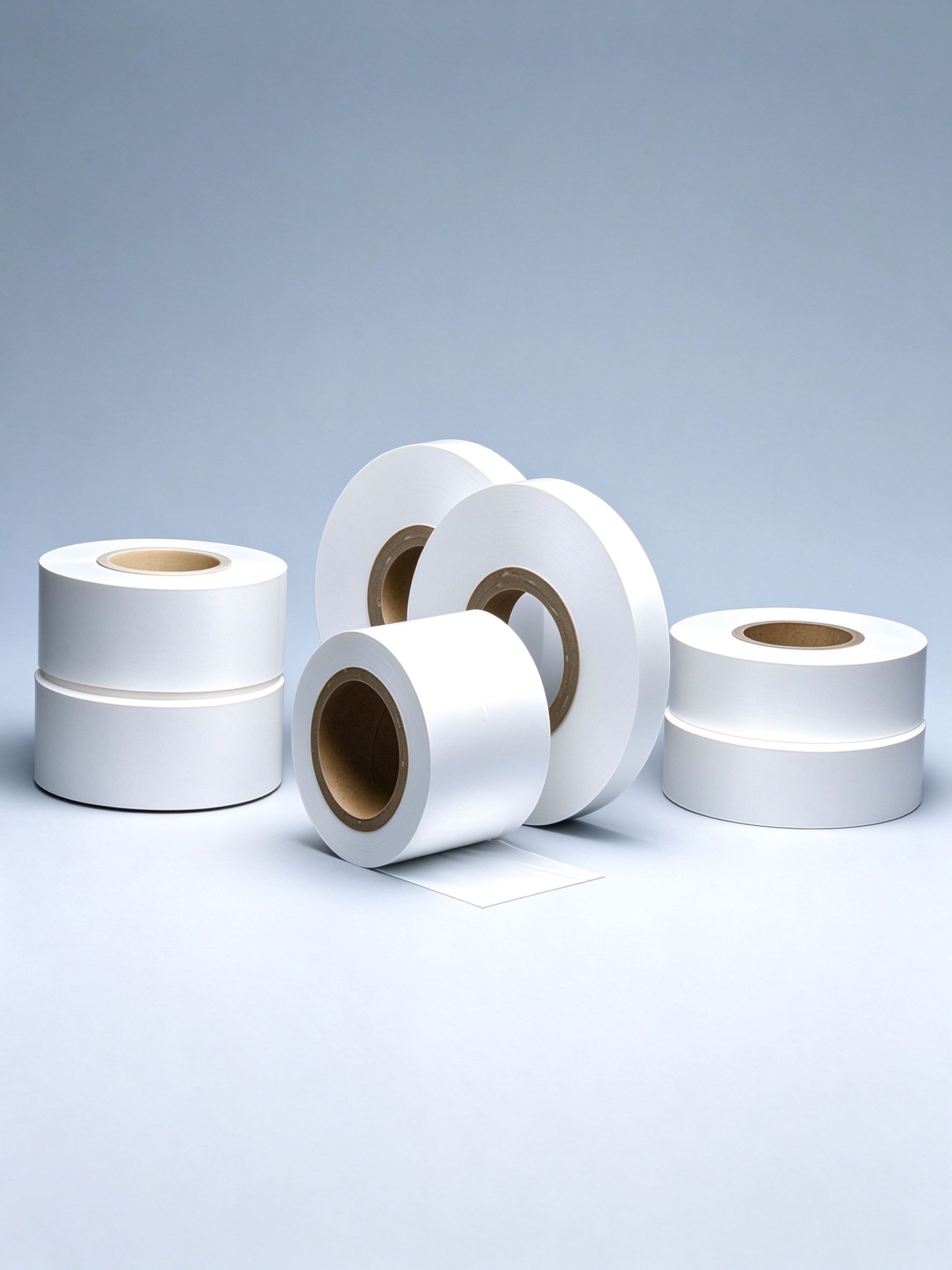
Separator shrinkage, melting and thermal-runaway propagation under thermal abuse
Ceramic-coating-to-base-film bonding is insufficient; powder sheds after calendering
Tensile / puncture / tear strength data is scattered, making the process window hard to judge
Thermal-shrinkage test conditions are inconsistent; batch results cannot be compared
Film tensile, puncture and tear strength testing
Thermal-shrinkage and thermal-safety assessment (QM910)
ASTM D3330 peel strength / ISO 11357 DSC melting behavior
UL 9540A thermal-runaway propagation correlation verification
QM900A-U + QM940AS: precision hot-press forming of separators and ceramic-coating lamination
QM910: thermal-shrinkage and thermal-safety assessment
QM100S: universal UTM + film grips: tensile / puncture / tear
Composite process and mechanical validation work in a closed loop; parameters feed directly back to the line
Coating bonding and thermal shrinkage judged from the same batch and source
Full-process data traceable, meeting ASTM / ISO audit requirements
One set of equipment covers dry, wet and coated separators
150°C
Thermal-Shrinkage Assessment Limit
3items
Tensile / Puncture / Tear
100%
Full-Process Data Traceable
3Challenge
QM900A-U + QM940AS + QM910
Electrode preparation, separator lamination, packaging safety — covering key test nodes in lithium-battery R&D and production QC; the accuracy baseline stays unchanged from lab to line.
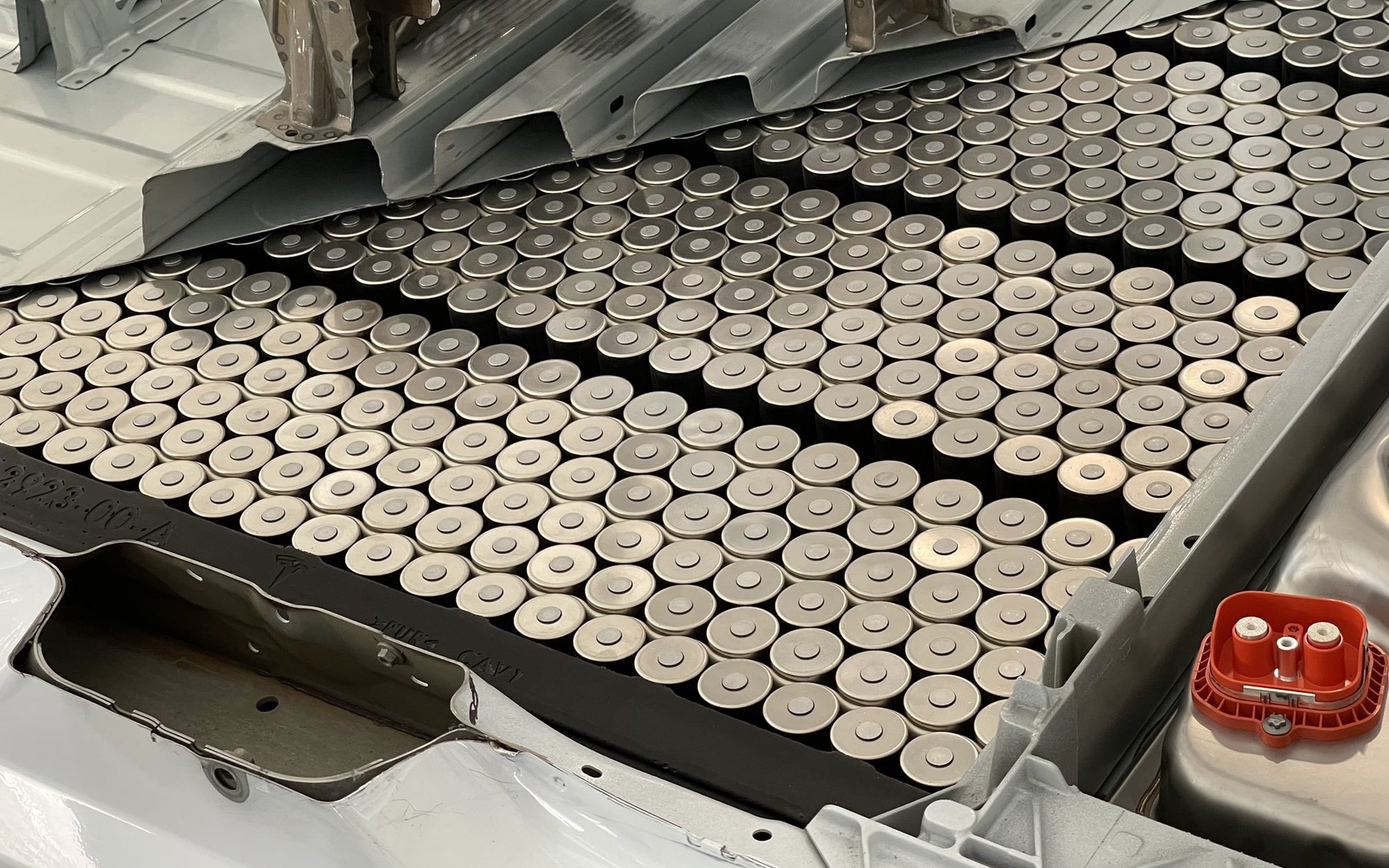
Electrode coating adhesion and peel strength are insufficient; material sheds after calendering
Value
One machine
Multiple methods
Film tensile, peel and bending tests
Mechanical + thermal-safety + flame-retardant full assessment
ASTM D3330 peel strength / UL 94 vertical burning
UL 9540A thermal-runaway propagation test
QM900A-U: electrode hot-press forming and calendering
QM940AS: separator / electrolyte lamination
QM100SH: peel tester + QM500V/H vertical burning
Electrode–lamination–cell data chain from the same source, avoiding cross-equipment drift
Peel strength and thermal safety measured together in the same batch, shortening R&D cycles
Compaction density and bonding optimized jointly, improving electrode consistency
SOP locked in and MES connected; lab process windows copy seamlessly to the line
3One machine
QM900A-U + QM940AS + QM100SH
4Multiple methods
Hot-Press / Thermal-Shrinkage / Mechanics / Safety
100%
Seamless R&D-to-Production Replication
200+°C
Hot-Press Process Window
Flexible substrates, optical films, lamination layers — one-stop mechanical and thermal testing of films and polymers.
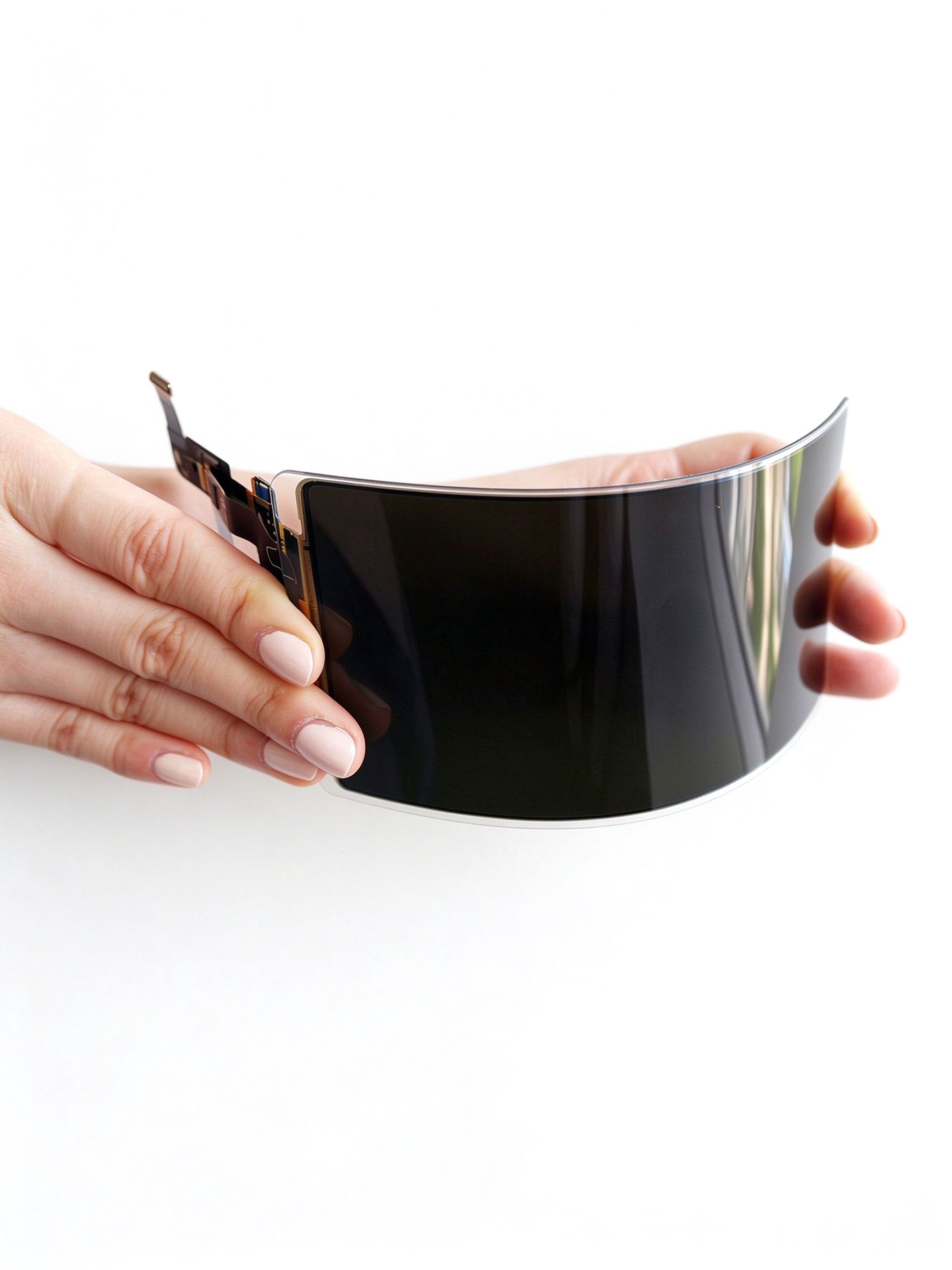
Flexible-substrate bending life and mechanical properties are hard to balance
Optical-film thickness uniformity and thermal-shrinkage control
Lamination-layer adhesion and weatherability assessment
Polymer thermomechanical (TMA/DSC) data is scattered
Film tensile, tear and bending tests
Thermal-shrinkage and thermomechanical analysis (TMA)
ASTM D3330 peel strength / ASTM D882 tensile properties
ISO 11357 DSC melting and glass transition
QM100S: universal UTM + film / bending grips
QM910: thermal-shrinkage and thermomechanical analysis
QM900A-U: optical-film hot-press forming and lamination
One-stop mechanical and thermal testing, reducing cross-equipment error
Flexible-substrate bending life and mechanical properties assessed jointly
Full-process data traceable, meeting display-industry quality standards
One set of equipment covers the full material chain: substrate, optical film, lamination layer
3units delivered
QM100S + QM910 + QM900A-U
4test methods
Tensile / Tear / Bending / Thermal-Shrinkage
100%
Full-Process Data Traceable
3material types
Substrate / Optical Film / Lamination Layer
Lamination and curing complete on the same accuracy baseline; mechanical validation data compares directly with design values — no cross-supplier calibration needed, accelerating composite R&D iteration.
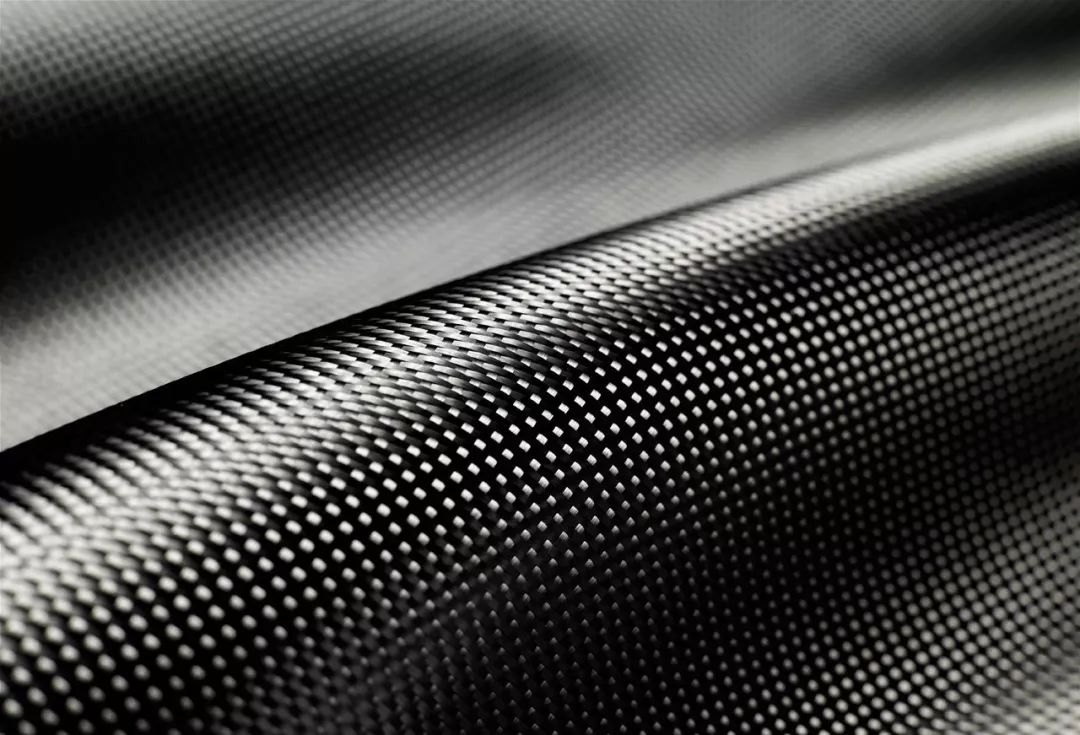
Composite lamination parameters (temperature / pressure / time) are hard to quantify
Cure degree correlates weakly with mechanical properties
Mechanical data of specimens from different batches is widely scattered
Design values deviate widely from measured values, requiring repeated iteration
Tension, compression, bending and shear tests
Interlaminar shear strength (ILSS) testing
ASTM D3039 / D3410 / D790 / D5379
ISO 14125 / 14130 composite mechanical properties
QM900A-U: composite hot-press forming and curing
QM100TC: universal tester + composite grips
QM750A: impact tester (IZOD / Charpy)
Lamination and curing complete on the same accuracy baseline
Mechanical validation data compares directly with design values
No cross-supplier calibration needed; R&D iteration accelerated
Full-process data traceable, meeting aerospace standards
3Challenge
QM900A-U + QM100TC + QM750A
5Method
Tension / Compression / Bending / Shear / Impact
100%
Meets Aerospace Standards
250+°C
Curing Process Window
From electrolyte pellet to stack, all in one pass — directly solving the core pain points of hard-to-reproduce papers and non-traceable data, turning equipment capability into an academic research closed loop.

Papers are hard to reproduce; experimental conditions are hard to control precisely
Data is not traceable; experimental records are incomplete
Limited budget but must cover multiple standards — selection dilemma
Students take long to get started; experiment efficiency is low
Universal mechanical testing (tension / compression / bending / shear)
Hot-press forming and lamination process research
Multi-standard support: ASTM / ISO / GB / T / JIS / DIN
One-click raw-data export; results reproducible and traceable
QM100S Universal UTM: one machine covering multiple mechanical methods
QM Grip Universal Grips + QM100E Extensometer: fast changeover, stable accuracy
QM130A Cutter: standard specimens made in-house, reducing dependence on external sample sending
Quick-change grip design; zero wait when research groups switch tasks
Clean interface with built-in methods; students get started quickly
One-click raw-data export; results reproducible and traceable
One main unit + multiple grip sets, spreading single-standard procurement cost
3units delivered
QM100S + QM Grip + QM130A
6+ standards
ASTM/ISO/GB/T/JIS/DIN
100%
Raw Data Traceable
1main unit
+ multiple grip sets spread cost
One preparation-control–validation–traceability platform, keeping every experiment in a reproducible data chain and supporting high-level paper reproduction.
Reports must withstand review. The whole line is designed to ASTM / ISO / GB / T / JIS / DIN, with five-dimensional records per cycle — fully retrievable at audit.
From R&D validation to production SOP. Tiered permissions for method files, ProView supports MES export, copying the lab-locked process window to the line as-is.
From leading new-energy companies to top research institutes, Br&Qmesys Scientific Instruments helps customers turn process windows into reproducible data assets.
After introducing the QM900A-U + QM940AS combination, electrolyte pellet forming consistency improved significantly; electrode–electrolyte interface bonding is uniform and cycle decay is quantifiably trackable. Forming yield rose from 82% to 94%, and inter-batch thickness deviation stays within ±2 μm.
The ceramic-coating-to-base-firmness problem is fully solved; powder shedding after calendering dropped sharply; thermal-shrinkage test conditions are unified and batch results can be compared directly. Shrinkage rate fell from 8% to 3%, and coating peel strength reached an industry-leading level.
The pain points of hard-to-reproduce papers and non-traceable data are fully solved. One main unit + multiple grip sets — fast changeover, stable accuracy; standard specimens made in-house reduce dependence on external sample sending, supporting high-level paper reproduction. Independent student operation training shortened from 2 weeks to 3 days, and automated data-export efficiency rose 60%.
Covering mainstream materials such as lithium batteries, polymers and composites; one-click matching of test standards and recommended equipment for quick solution positioning.
| Material Category | Test Method | Corresponding Standard | Recommended Equipment |
|---|---|---|---|
| Li-ion Battery Separators | Heat-Set / Closed-Cell Temperature | ASTM D3826 / ISO 11357 | QM900A-U / QM940AS |
| Solid-State Electrolyte Powder | Hot-Press Forming | Custom Process Window | QM900A-U / QM940AS |
| Composites | Lamination / Curing | ASTM D3039 | Vacuum Series / QM940AS |
| Engineering Plastics | Tension / Bending / HDT | ISO 527 / ASTM D638 | QM100 Series |
| Flame-Retardant Materials | Vertical Burning / Glow-Wire | UL 94 / IEC 60695 | QM910 Series |
| Interior Materials | Burning Rate | ASTM D5132 / FMVSS 302 | QM500V / QM500H |
| Rubber Seals | High-Temp High-Pressure Medium Aging | — | QM230H LLC |
| Packaging | Drop Test | ISTA | QM700C |
Covering six industries — solid-state batteries, lithium separators, lithium batteries, display materials, composites and research institutes — from condition diagnosis to delivery; every solution is customizable.